

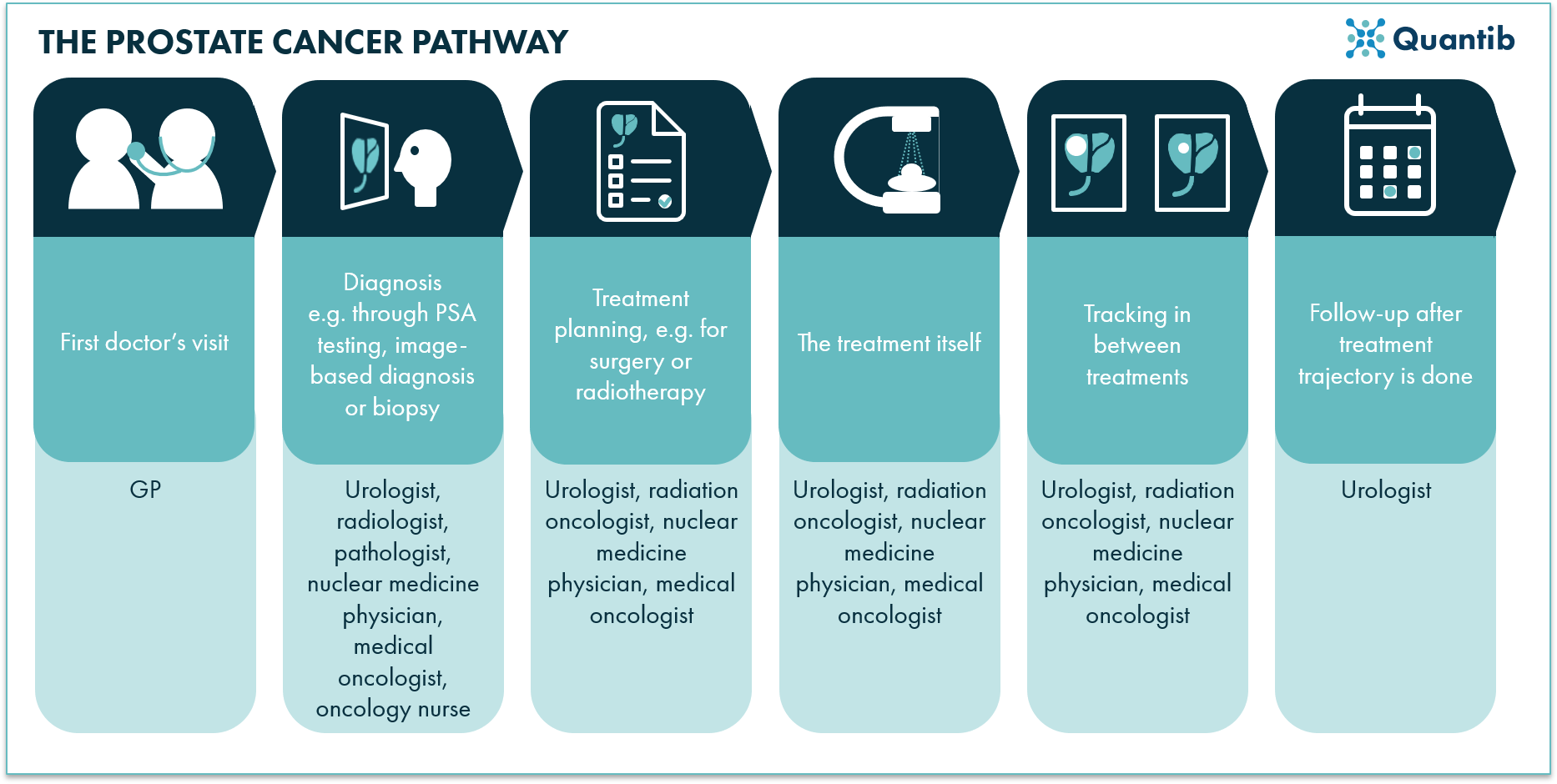
First and foremost, we urge the complete male population beyond 45 years of age in the North East Wales region not to ignore any tell-tale signs you might be observing. There is also sufficient evidence that having a family history of the disease places you at a greater risk of developing the cancer yourself. So, if you’re a man with a close relative who has had prostate cancer, make that appointment now with your GP to have a blood test. There are normally some tell-tale symptoms such as trouble when starting to urinate or an inability to urinate, increased urinary frequency, burning or painful urination, blood in the urine or semen, and painful ejaculation.
Your doctor is quite likely to conduct a rectal examination to observe any enlargement of the prostate, but this does differ across the many local GP surgeries. They will likely arrange a blood test for prostate-specific antigen (PSA). This is a liquid protein that your prostate normally secretes in small amounts into the bloodstream. Prostate cancer can cause your PSA to rise, and, generally speaking, as your PSA level climbs, so does the likelihood that you have prostate cancer. It is important to acknowledge, however, that this score alone does not always reveal you have prostate cancer.
The next step is to conduct an analysis of the prostate. Your specialist at the Maelor Hospital will probably arrange for you to have an MRI scan to give a better understanding of any presence of cancer cells. Then and only then are arrangements made to carry out further examinations. The vast majority of patients are invited back to the Maelor to undergo what is known as a trans-perineal prostate biopsy under local or general anaesthetic, and this provides a mapping procedure. The Urology specialist will arrange to see you in clinic and will indicate if there is any cancer or if all biopsies are benign. If prostate cancer is detected, you will be shown where the cancer is, how much cancer there is and how aggressive it is. Depending on the results, the various treatment types are explained, and a follow-up counselling session will be arranged with the Urology specialist to define your plan.